Paris and Beyond

Our Personal Tour de France & Other Exciting Adventures!

A Dose of Reality

imageOne thing I have gained from almost 40 years of teaching is an immunity to almost every “bug” the kids bring to school. Consequently, I (almost) never get sick. In fact, I can’t remember the last time I was ill with a cold or the flu or anything of that nature. As luck would have it, the end of the school year and the accompanying exhaustion plus a long flight to France in close proximity to so many people has brought on a few common cold symptoms I haven’t experienced for a very long time. After a few days of trying to fight them off with sleep and ibuprofen, the usual progression of sore throat, headaches, and runny nose have prevailed. So I knew it was time to visit the French pharmacie.

You may remember that last year in a previous post I wrote about healthcare in France. When you get sick, the first place to visit is the pharmacy where a licensed pharmacist with many years of training will advise you on what medications you should take for your malady. Many times this is all you ever need. This is nothing like the service or knowledge that is available in a U.S. pharmacy. I experienced this during last summer’s trip to France when I regretfully fell and sliced the palm of my hand open. It was a Saturday and we knew that doctors and clinics would be closed. So we went into the nearest pharmacy, showed the pharmacist my cut, and were provided with all the necessary items such as bandaids and antiseptics plus instructions for treatment all for a fraction of the cost in the U.S. Normally, you won’t proceed to see a doctor until you have exercised this option and your situation hasn’t improved. Even then, the cost of seeing a doctor is still far below American prices.

In preparation for today’s visit to the pharmacy, we looked up all the French phrases we would need to explain my discomfort. Then we stopped in to a convenient local pharmacy. They are located on just about every corner and very easy to identify with their flashing green crosses. After describing my symptoms to the pharmacist the best that I could, she brought forth three medications — one each for headache, sore throat, and congestion. For about 15€ ($17) I was all set. Once I got home, I had to read all the precautions in French (where all my studying this past year paid off) and figure out how to take each of them. The pain medication, a form of aspirin, was actually a large effervescent tablet to be dissolved in water somewhat like Alka Seltzer. It was surprisingly pleasant to drink and thankfully took effect in about 30 minutes. The nasal spray for congestion had a similarly rapid result. Hopefully, with a few more days of rest, I will be able to enjoy the rest of our summer in France.

One of our goals this summer, was to experience living rather than vacationing in France. Though my illness has definitely been unpleasant, the flip side is that it has forced us to spend at least a week just living a normal daily life without spectacular events to distract us from reality.

Getting Settled

Just like any move, short or long, there is a certain amount of work involved in getting settled in to your new home. Even before when we moved from place to place in France staying for only a week at a time, we did this in a more condensed fashion. Since we will be staying in the same house for two months, we have been able to take our time getting settled. Instead of having to figure everything out in one day, we’re spending the first week relaxing, resting, and taking stock of our needs for the summer. Before we returned home last summer, I made a food list and a miscellaneous list of things we might need to purchase when we arrived depending on what was on hand in the house we were renting. When we arrived, we were pleased to find that many of the items on our lists were already here.

On Saturday, we purchased a few basics beforehand to get us through our Sunday arrival when pretty much everything is closed. Once in the house, we took inventory and prepared to go to our favorite nearby shopping mall on Monday. Among other things, this mall boasts a gigantic Auchan super (duper) market. It literally has everything you could possibly want… if you can find it. For someone who used to love shopping so much, I am always surprised at how exhausting it is to make this first major trip to the store. We decided to divide and conquer, so I took a shopping cart for my part of the list and Norman used a rolling basket for his. Due to the fact that the store is so incredibly large and we cannot message each other on our phones when we get separated, we chose a central meeting place and time — harking back to the pre-cellphone days of taking the kids to Disneyland and letting them go off on their own for a while. This worked fairly well, but it is still easy to get lost. During one rendezvous at our meeting place, an elderly woman approached us and began speaking to us (in French, of course) about the fact that each of us had a shopping cart. At first I thought she was reprimanding us, then I realized she was making a joke of the fact that the husband had the smaller cart and the wife had the larger one. She was very sweet and even though we explained that our French was limited, she continued speaking to us in a very friendly manner and finally wished us “Bonne Vacances”.

After about an hour, we had picked up most of the items we came for and agreed we were spent for the day. What is so exhausting about this process is that, like in the U.S., there are so many brands and we really aren’t familiar with any of them. This leads to a lot of price-checking and label reading. In addition, things are not necessarily organized in the same manner to which we are accustomed often requiring much searching for one item. For example, who would have thought clothes hangers would be across the aisle from house paint? In the end, we had a salad spinner and good knife for the chef plus extra ice cube trays and hangers and a myriad of food products including the requisite bread and wine. We were ready to check out and head home. Today we made another trip to a different store in attempt to complete our list though it seems there is always something more. Tomorrow we plan to get up a little earlier to enjoy the bounty of the farmers’ market in Périgueux. It’s time for some farm fresh, local ingredients.

A Night to Remember


Sometimes you have to sacrifice for a while in order to achieve what you have planned for. And so it goes for today. Having arrived at the San Jose International Airport three hours ahead of our flight as suggested in order to have time enough to get through the TSA security check, we boarded our plane and headed to Salt Lake City, Utah for the first leg of our journey. After an hour layover, we were on our way to Paris’s Charles De Gaulle International Airport.

In the news of late has been the contentious struggle in France between the major labor unions and the president and prime minister as a labor reform proposal that has been in the making for the last three years is about to become law. The result? France’s labor unions have been striking and marching for several weeks and many services (mostly in larger metropolitan cities) have been affected. So upon our arrival to Charles de Gaulle, we encountered one of the largest and busiest international airports in Europe to be virtually empty. And while we had only an hour layover before our connecting flight to Bordeaux, after boarding we sat on the tarmac and waited for more than two and a half hours before finally being cleared to take off. Seems that we got caught in the midst of the dispute which seems all too frequent in France. Add to that the bumper to bumper traffic we endured after we picked up our car in Bordeaux as we headed out to our weekend stay at the beautiful riverside Château Courtebotte less than an hour’s drive, we arrived more than three and a half hours late. We had dinner reservations at the chateau for which we were almost an hour late. So, we had accepted the fact that we might be going to bed not only exhausted from 14 plus hours of travel and only two hours of sleep, but that we would be going to bed hungry as well.

Ah… but thanks to the French custom of not having dinner until at least 8:00 p.m., we were able to join four other guests for drinks and appetizers. One of the joys of travel is meeting people from all over the world and this small group was no exception. One of the couples was from Australia, while the other was from England. Interestingly, overall, everyone was of like mind in that we shared similar opinions on a variety of topics. Our hostess who was French added another dimension to the conversation. We enjoyed exploring each other’s opinions as we sipped on a wonderful locally produced Crèmont wine and a light and tasty pastry consisting of many crisp layers topped with a light coating of powdered sugar and poppy seeds.

After an hour or so, we withdrew to the dining room where we started a wonderful meal with cream of zucchini soup and and fresh cantaloupe balls. This appetizer was enjoyed with a Bordeaux Blanc Sec white wine of excellent quality from the same winery. Next up was the main plate of chicken breast medallions in a delicious rosemary reduction sauce with fresh sautéed vegetables and a petite skewer of tiny finger potatoes and bacon. Following was a sampling of local goat and sheep cheese and fresh sliced country bread and a Bordeaux Superior Rouge wine that was decanted in what looked like a large glass goblet. For the finale, a serving of home made panna cotta topped with sweet fresh strawberries. Tiny demitasse cups of coffee and tea finished off the meal. And all during dinner, we continued a long and interesting conversation.

Sale!!!

img_1260
In the U.S. these days, products are on sale every day. We have become rather complacent about it. There was a time when sales were limited to holidays and certain times of the year. The products were truly on sale. Stores didn’t bring in low quality items specifically for the sale or mark items up just so they could mark them down. When I shop sales, I always ask myself three things — Is this a quality item? Is this a fair price? Do I love it? I never buy anything simply because it’s on sale.

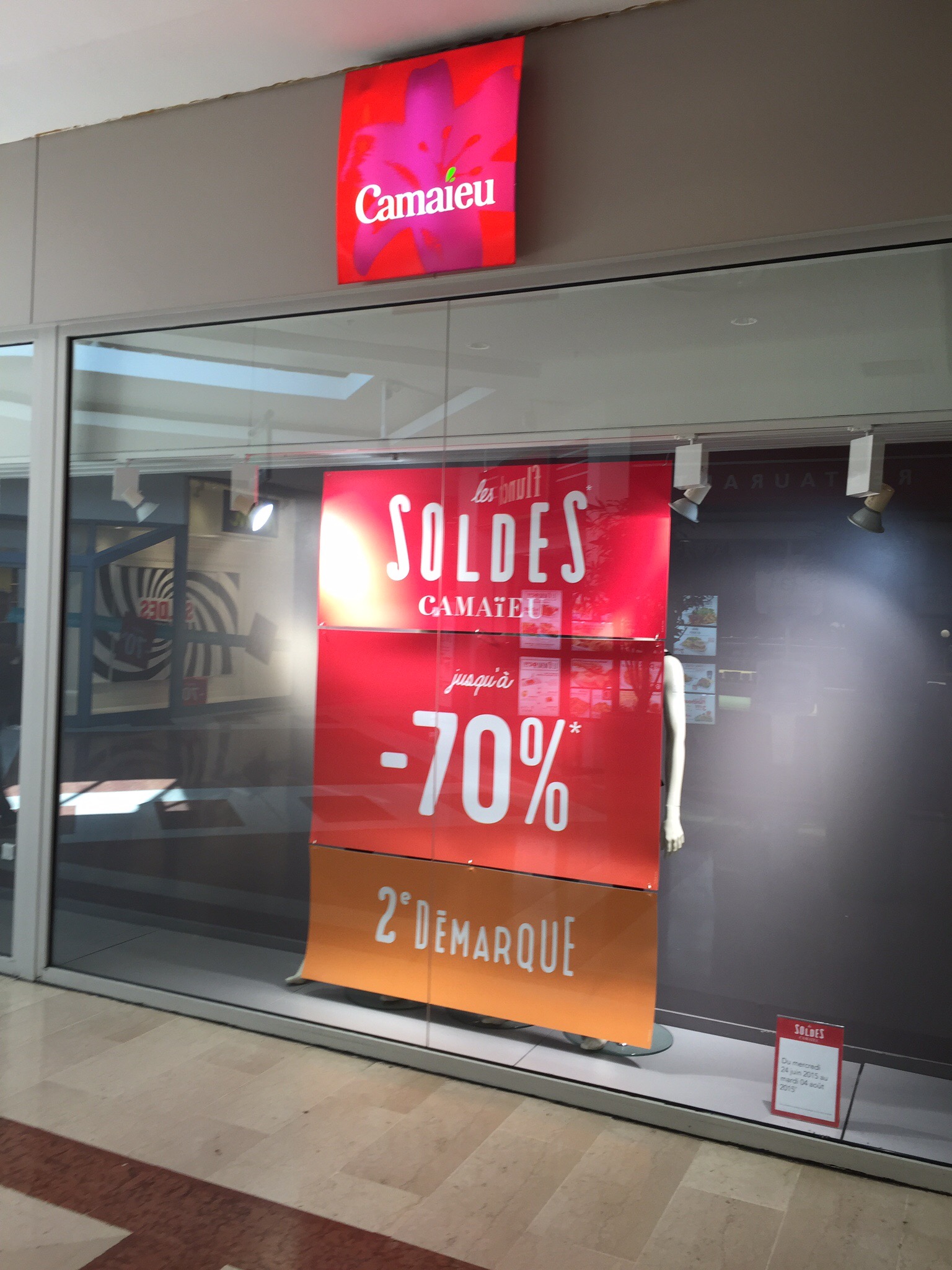
Sales in France, known as les soldes, are completely regulated. There are only two sale periods — winter sales and summer sales. Winter sales occur between specific dates from January through February. Summer sales occur from mid-June through the beginning of August. Stores are not allowed to bring in special items for sale. They can discount stock from the previous year as well as lines that were over-produced or have been discontinued. In more touristy areas, they are even allowed to stay open on Sundays. Online sales are gaining in popularity with offers such as free shipping. Discounts range from 30% to 50% and sometimes go as high as 70%.

This year, the summer sales span from June 22nd to August 2nd. One of the benefits of traveling to France during the summer is that the sales are in progress for most of our trip. Last summer we took advantage of the soldes to purchase cooler clothes than the ones we had packed as it was a fairly warm summer compared to our previous experience in 2012. Norman discovered some French styles (men’s capri pants) not common in the U.S. We had to practice our French shopping vocabulary and were forced to figure out how to ask things like, “Where can I try this on?” In addition, we had to figure out our sizes something we completely forgot about being different. Thank goodness for those converter apps! Since our phones only worked on wifi, the first day we decided to do some serious shopping, we had to return to our apartment and do some research and then go back to the store the next day.

Up till now, we have attempted to travel with only carry-on luggage but weight has become an issue. First, you have to be able to heft that bag over your head into the increasingly smaller overhead bin — a task that is more and more of a challenge as you get older even with all those weights you lift at the gym. Secondly, the airlines have gotten serious about weighing those bags and you are limited to 26 lbs. The way I pack, I can easily put twice that much in a carry-on bag. So now we are just going to take our chances with some new, slightly larger suitcases that we will check — weight limit 50 lbs. Heck, if they don’t make it to our destination, we can always shop the soldes.

French Politics

en-greveAs we are rapidly approaching our “Tour 2016” departure, we have been catapulted into following French politics. Furtively watching the latest developments in the struggle between unions and government over recent labor law reforms, we are attempting to gain an understanding of the issues involved as they may adversely affect our plans. Since March, French unions have been en grève (on strike) lodging major protests against the reforms that have disrupted transportation and led to a shortage of fuel in some areas causing many people to become concerned about their travel plans.

The French have long been notorious for strikes and protests. They have always strongly exercised the right to defend their views and protect the French way of life. Since 2000, one of the prominent features of this lifestyle has been the controversial 35-hour workweek. It was enacted in an effort to reduce unemployment and the enhance the quality of life. The theory was that by reducing the work week from 39 to 35 hours, employers would be forced to hire additional workers thereby lowering France’s lingering 10% unemployment rate though this has never really panned out. Another coveted aspect of French employment is having a job for life. This is especially true for the 35% of the population employed by the government. It is virtually impossible to fire an employee. These two cornerstones are currently at stake.

The new bill, known as the “El Khomri Law” after Labor Minister Myriam El Khomri who introduced it, actually upholds the 35-hour workweek with provisions for increasing it to 48 or even 60 hours in exceptional situations such as a sudden boom in the demand for a company’s services or supplies. In these cases, employees would not be paid overtime but, instead, would receive compensation in the form of additional time off later on — what Americans refer to as “comp time”. Additionally, rules would be relaxed regarding layoffs and working at night from home. At the same time, part of the bill addresses the “right to disconnect” making it illegal for companies with 50 or more employees to send e-mail outside of regular work hours which is seen as having a negative effect on an employee’s health. This is a mere snapshot of the new law which is 588 pages long.

Union activists see the U.S. as an example of what they seek to avoid: a labor system with few legal protections and with no national law mandating paid vacation. This all began when the Reagan administration effectively shut down unions firing over 11,000 air-traffic controllers who were on strike in 1981. American unions haven’t had the same power since. There are lots of politics involved behind the scenes in France not dissimilar to the left to right swing currently taking place in U.S. presidential elections.

Much of the furor over the latest proposals is due not so much to the content but to the fact that Prime Minister, Manuel Valls, pushed the legislation through to the assembly without a vote. He says he is determined not to back down against the unions as the government has traditionally done in the past. He is also confident that CGT union chief, Philippe Martinez, will not hold France hostage with the upcoming Euro 2016 soccer championship hosted this year by France which begins on June 10th. The CGT (General Confederation of Labor) is the largest trade union in France in terms of votes and second largest in membership, therefore, rendering it most powerful. Union leaders are counting on this event to be the tipping point as well. It seems we have two high stakes poker players sitting at the table holding the same cards. It will be interesting to see how this plays out over the next two weeks. Please stay tuned!

Side note: If you’d like to expand your French strike vocabulary, this is a great illustrated article published recently by Americans in France.

Cock-a-Doodle-Doo

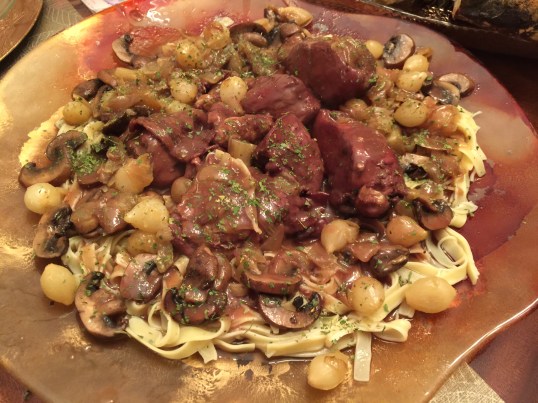
imageOnce upon a time in the early 70’s long before I ever learned how to cook, I was suddenly inspired to make a “fancy” dish while living in my first apartment. I think it must have been some sort of special occasion. Crockpots were very popular at the time. I’m pretty sure I got the recipe out of the little cookbook that came with my crockpot. The dish I prepared was Coq au Vin.

Until more recently with the advent of all the cooking shows on TV, Americans had a very narrow perspective on French food. Coq au Vin, Beef Bourguignon, Quiche Lorraine, French Onion Soup, and the ever present Fondue became culinary stereotypes and were considered haut cuisine. There also existed the notion that the French ate escargot and frog’s legs on a regular basis. As is common with the early adoption of ethnic foods in any country, especially the U.S., the dishes that people become accustomed to associating with a particular culture would never be found on a menu in their country of origin. They are typically country or peasant foods only prepared at home. When I was in college, I remember a friend’s parents came to town and took us out to a local, well-known French restaurant — quite a treat when you had been eating nothing but dorm food for months, but my French culinary experience was limited to French Fries and French Toast which I would later come to know as Pommes Frites and Pain Perdu. They recommended I order Chicken Cordon Bleu which sounded very impressive but didn’t taste all that great. After that meal, I had very little interest in trying French food again. Of course, I had a lot to learn.

Today, 40 years later, I have been fortunate to have had the opportunity to develop a much more sophisticated palate. Through travel, friends, relatives, and my husband’s knowledge and ever-evolving culinary pursuits, I have learned to appreciate a wide variety of truly authentic foods from around the world. Preparing and tasting new dishes is an adventure no less enticing than boarding a plane for a foreign land. In fact, you can learn about a country and its culture from its cuisine.

So, what about that Coq au Vin? The dish originates from the Burgundy region and is considered French comfort food. Initially, it was a basic peasant dish that farmers would prepare with whatever old fowl they had on hand — typically a rooster or “coq”. The purpose of the large amount of red wine in the recipe was to break down or tenderize the old meat. Traditionally, it was finished with the blood of the rooster along with brandy and vinegar to prevent the blood from clotting. Nowadays, the recipe has been adapted with a more modern take and chicken is usually the bird of choice. We learned all this a few weeks ago when we endeavored to find something different to make for dinner and decided on Coq au Vin. Often while Norman is busy prepping a recipe, I’m online doing research about it. Going beyond the ingredients is the kind of thing we like to do when we are cooking. It makes the enjoyment of the dish infinitely greater when you understand it completely.

And that rooster you see everywhere in France? The history of the rooster as a symbol of France is long and complicated. As it happens, the Latin word for rooster is gallus as is the word for Gauls (Gallus), the people who originally inhabited much of France. Though they have nothing to do with each other, the play on words was irresistible to some in ancient times and used to make fun of the French. The entire explanation of the connection has undergone many iterations. Eventually, the French themselves took up the symbol and adopted it with their own interpretation. The Gallic rooster, named Chanteclair for its song, evolved into a French emblem now often used as a mascot for soccer and rugby teams as well as in the logos of various businesses.

It has been a long journey from one Coq au Vin to the next. Who would have guessed I would end up at this juncture seriously considering a move to France?image

Back-to-School

image

Homemade Macaroons from a former student who visited class this week

Well, it’s that time of year again. Our second exploration of France is over, and it’s time to get back to school and reality at least for the time being. After our first trip which we enjoyed immensely we were, nevertheless, anxious to get back home to our American surroundings and routine. No matter how you do it, eight weeks away from home living in a new accommodation every few days or every week can eventually become tiresome. Now that we have been home almost a month, I have noticed that I frequently miss being in France, a feeling I never experienced upon our return home three years ago. Due to the fact that this trip was less of a tourist adventure and more of a serious effort to find a location for our next home, we behaved differently. We engaged in more of the locals’ activities such as shopping daily or weekly at the farmer’s market and hanging out at small cafes for coffee. Often we simply stayed “home” and relaxed while enjoying the preparation of the day’s meals. We talked and read and wrote or painted and planned — all things I love to do and am so fortunate to be able to share with someone who enjoys them as much as I do. I miss the culture, the toned down pace of life, the amazingly fresh fruits and vegetables plus high quality meats, fish, and cheeses and I miss the people, the French and our British hosts alike. I even miss the challenge of trying to speak and understand French. I guess I would have to say that slowly but surely I am wrapping my mind around this whole idea of living in another country when I retire in two years. I think it’s a combination of the fact that I can see the light at the end of that two-year tunnel and the feeling that we have made the most of our time in the Silicon Valley so it will soon be time to move on.

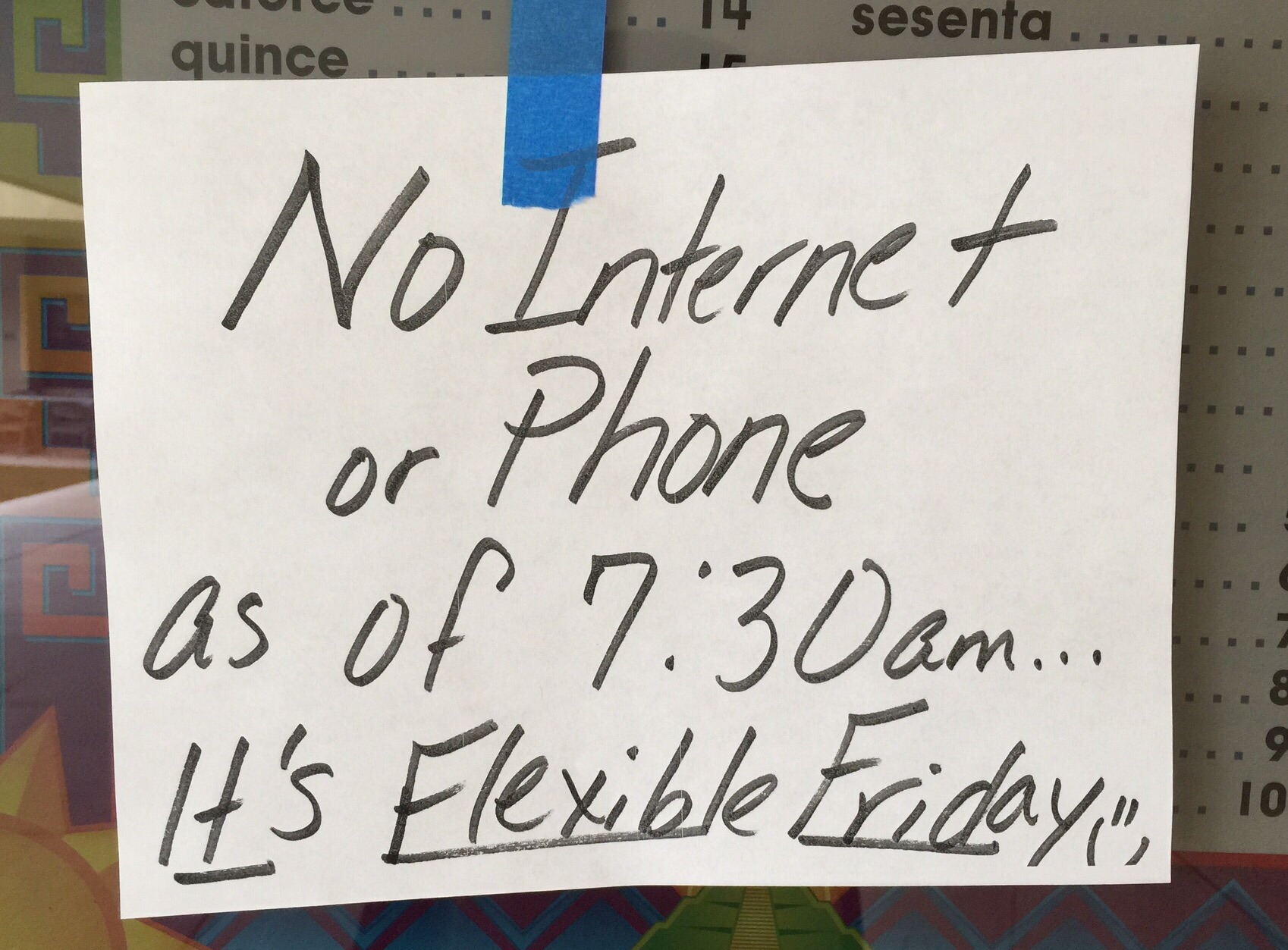
imageWith all this in mind, I returned to work and started school year #39 with excitement and the anticipation of another great experience teaching the amazing students I am so lucky to have at my school. I know now that my days of doing that are numbered and I plan to enjoy every one as much as possible. Even when I arrived at school on Friday of the first week and learned that the phone system was down as well as the Internet, this did not dampen my spirit. Fortunately, this situation didn’t last too long since every student on campus uses an iPad and we are mandated to use the latest and greatest technologies to reinvent learning. In the end, there was a simple solution. Somehow the breaker had been tripped and all was well once it was reset. The same situation occurred again this week. But I’ve been teaching too long for anything like that to ruin my day.

While my students are busily studying their Spanish lessons for my class, it’s “Back-to-School” for me too. I will be busy with my French studies at home… earning “Lingots” for all my practice in Duolingo, tuning my ear with Slow News in French, and trying out a newly discovered resource, Frantastique.

Read last year’s Back-to-School post, La Rentrée.

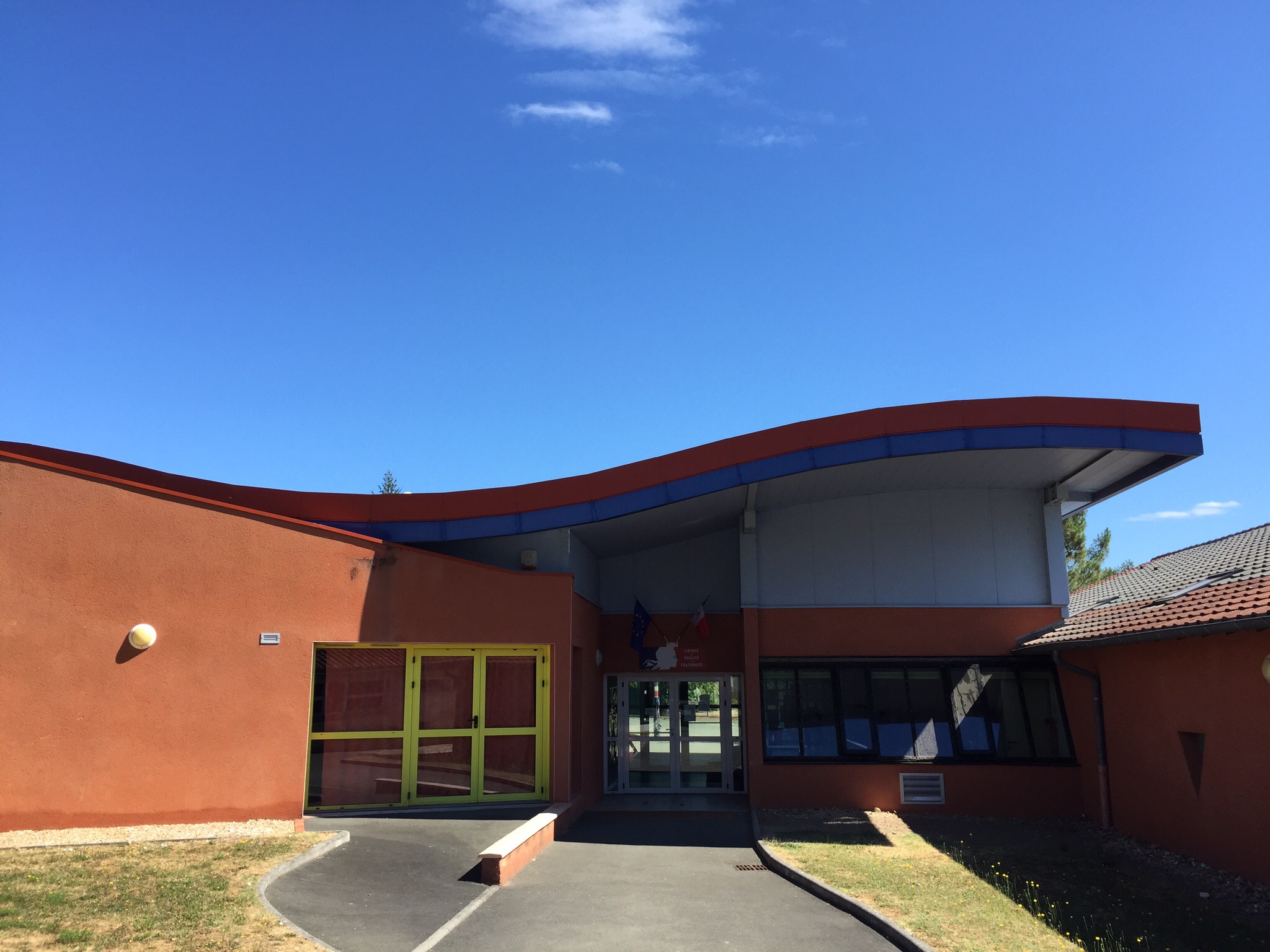
School in Annesse-et-Beaulieu - Next summer's home

Annesse-et-Beaulieu School in our Summer 2016 Community 

Let’s Flunch

imageSome of my favorite memories from our trip to France this summer involve doing especially non-touristy things which was, of course, our entire objective. We wanted to have as many natively French experiences as possible in order to begin to get at least a small sense of what it would be like to live there as a regular, every day citizen. These included dancing in the park, eating where the locals eat, shopping daily at the farmer’s market for our dinner, attending summer music festivals at small town churches, and experiencing the night market scene — all of which you can read about in previous blog posts.

The world has many perceptions about France. As you might expect, some of them are true and some are very stereotypical. Two topics that immediately come to mind are fashion and food. We have the impression that the French always dress in the latest designer styles and only eat at the best establishments — haute fashion and haute cuisine for everyone every day. Many French people do dress and dine in high style especially in Paris or other major cities. However, as we and others have said many times, Paris is not France and France is not Paris. The truth is that life is much more casual outside of Paris. And the reality is, it’s not practical nor affordable for the majority of the population to live that way.

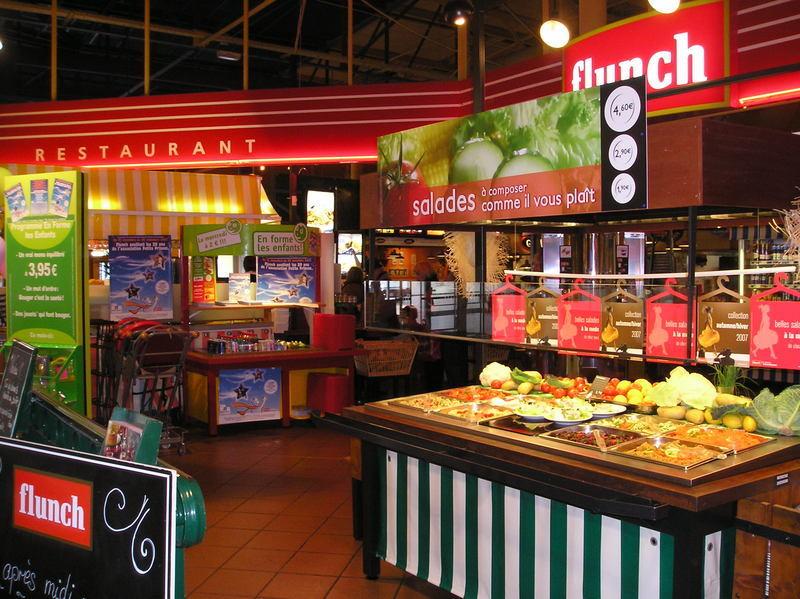
During our two extensive trips throughout the country, we have discovered that the French live a more balanced and down to earth lifestyle than many might imagine. One excellent example of this can be seen at the indoor malls anchored by stores like Leclerc and Auchan, two of France’s largest retailers. People exit these stores with carts full of groceries and other items very similar to the way we commonly shop here in the U.S. And when they are in need of a quick, inexpensive lunch that will please and satisfy the whole family, there are cafeteria-style eateries like Flunch.

The Flunch cafeterias were launched in 1971 and currently, there are about 200 of them in France. The first time we saw one was when we stumbled into one of these mega-shopping centers in Toulouse in 2012. It struck me as rather curious that any French business would have such an English and rather unattractive sounding name, but I really didn’t pay any further attention to it at the time. Then, this summer, we stopped at Auchan to shop for some groceries in the Périgueux suburb of Marsac and there it was again. So we had to check it out and discovered that it was a great casual dining option. Flunch is only open for meals at lunchtime from about 11:30-2:30. Earlier in the day you can order coffee and a pastry and after the lunch hour, it’s most popular for its ice cream desserts which are still available. For lunch, you pick up a tray and choose from a variety of items which are set out on plates. In addition, you can build your own salad and/or order one of the 3-4 set meals of the day. Depending on your age, you might be reminded of smorgasbord or buffet restaurants in the U.S. It’s quite tasty and very economical. You can get a complete meal for about €10 ($11) which includes all-you-can-eat vegetables… keeping in mind that French fries are considered vegetables, that’s pretty cool. We hung out at Flunch several times during our trip. It was a very relaxing place to stay cool on hot days and get access to free wifi — two qualities that rate right up there with the inexpensive food.

If you too are curious about the name, here’s the story. Flunch is a portmanteau of ‘fast’ and ‘lunch’. So Flunch is a fast lunch. Clever, right? Examples of these kinds of words in English are brunch, liger (think Napoleon Dynamite), and several proper nouns such as Mexicali, Calexico, Amtrak, and Microsoft. Never heard of the word ‘portmanteau’? Me neither. Being a fan of all things linguistic, I just had to Google that. So let me save you the search and enlighten you. A portmanteau is a linguistic blend of words. The English word ‘portmanteau’, inspired by a similar French term, was originally used to refer to a piece of luggage with two compartments. If you are familiar with French, you might recognize the words porter (to carry) and manteau (coat) that have been combined to create this compound word. Nowadays, the French word portemanteau is used for a coatrack or hanger rather than a suitcase. So, technically, these two words are “false friends” more formally known to those of us in the language biz as false cognates — two words in different languages that look and/or sound the same but don’t mean the same thing. The French have also coined the verb fluncher which can be used in expressions like on va fluncher — Let’s have a fast lunch. Try adding that to your hip lingo next time you are in France.

flunch

It’s All in the Numbers

imageMany people find it difficult to understand why we would want to move to France when I retire. After all, the United States is known for its abundance of opportunities and resources and certainly, California, the state where we live, has a huge variety of landscapes and areas from which to choose. We can easily drive to the beach, the mountains, the desert, and one of the most popular national parks, Yosemite. Whatever you’re in the mood for is just at your fingertips. Why would we want to leave all that behind? What could possibly be better?

Well, any major life-changing decision like this is purely personal and really depends one’s particular situation and point of view. So let me describe our perspective and experience. We live in the second fastest-moving housing market in the U.S. In the 10 years we have been here, we have seen housing prices fluctuate like crazy and rents skyrocket. When we moved here in 2005, we rented a 1000 sq. ft. two bedroom, two bath apartment for $1600 a month — twice the price of the mortgage on the much larger house with a pool we were in the process of selling in Southern California. We were prepared for that. We knew well that life in the Silicon Valley (home of Google, Apple, Facebook, and just about every other tech giant you can name) would be much more expensive than our previous location, but would also offer us much more in terms of income, opportunities, culture so it was worth the investment.

We were hoping to buy another home, our first together actually, but the prospects seemed nil. We used to take walks through the very community where we now live right across the street from our original apartment. At the time, the townhouses here like the one we currently own were selling for about $950,000. When the economy began to decline in 2007, the rent on our apartment increased to the cost of a mortgage payment and we knew it was time to buy. Housing prices had dropped and we were able to purchase our 1400 sq. ft. townhouse for $517,000. Yes, that’s right, we bought the very same townhouse that was selling two years earlier for almost $1 mil for “only” half a mil, which is still ridiculous. I’m a teacher for heaven’s sake not some high tech entrepreneur. Over the next few years as the economy worsened, the value of our home fell to around $360,000. Many of our neighbors who were upside-down in their mortgages and couldn’t afford to wait it out, just walked away from their homes and left them to the bank.

Since I still had several years to work before retirement, we had hope that things would eventually turn around again and just this past year that began to happen. Our townhouse is now officially valued at $570,000 but we could sell it for much more. In fact, we have seen many homes in our neighborhood sell to cash buyers during a single weekend open house usually for many thousands over the asking price. The upswing in the economy driven by the expansion of all the high tech companies in the area seems to be having its positive-negative impact on the market as usual. The upside, of course, is that you can sell your home for quite a profit, but, if you do, where will you be able to afford to live? The downside is that property taxes in the U.S. are based on the current value of your house not your purchase price. While you may have a fixed monthly mortgage payment that you can afford as we do, your taxes can keep rising as they did last year resulting in an increase of $500 a month on top of our mortgage payment. This is why many people who have paid off their mortgages can’t afford to stay in their homes once they retire on a fixed income. They simply can’t afford to pay the taxes.

Currently in the Silicon Valley, even the middle class is being squeezed out of the housing market. Dual income couples with professional jobs can barely manage to live here never mind people earning much less. Since 2010, rents have increased 50% with the average rent for a two bed, two bath apartment starting at $2500-2800. Our old apartment now rents for over $3000 a month. Landlords are typically asking prospective tenants to show proof of annual income that is triple the rent. So, in order to rent one of those $2500 apartments (if you can find one), you would have to have $90,000 in yearly income. Our son recently moved to San Francisco after getting a job with Apple. He was lucky to find and be able to rent a tiny room in the City for $1400 a month.

What does all this mean for us? We love the home we have created for ourselves over the past 8 years. It was pretty great to start with, but Norman has done so much work to make it even more amazing and enjoyable for us. We would really like to keep it once I retire, but truly that’s not practical. I am fortunate that I will be able to finish my career in a place where I earn one of the highest teacher salaries in the U.S. upon which my retirement income will be based. We could pay the mortgage and maybe even the rising taxes for a while, but we wouldn’t be able to do much of anything else. As Norman likes to put it, we would be “house poor”. The reality is… we will need to move. We are relieved that, assuming things stay more or less the same, we will be able to sell our home in a couple of years for a good price, recoup our 50% down, and reap a little profit on top of that. The question is… where can we take our money and make the most of it?

We have both lived many places in the United States and traveled to even more. Honestly, there is no place more appealing to us than where we live right now. So, if we are going to move, we need to look farther afield. And this leads us back to France. Why not? There we can pay cash for a detached home (ah, to have our own private walls and space once again!) and eliminate a monthly mortgage payment altogether. That’s a big win to start with. And since I grew up learning the lesson that “home is where you hang your hat”, I know we can make a new home “ours” once more. It’s not just the numbers pushing us in that direction, but the French lifestyle and culture as well that appeal to us so much. I’m certain there will always be things we will miss and other things that will drive us crazy, but we think the trade-off for financial peace of mind and a simpler life will be well worth it.

Obviously, we still have much research and planning ahead of us, but we enjoy that challenge and are not daunted by the amount of work it may take to achieve our goal. Only time will tell, as they say, but we’re going to give it a good shot.


French Fix

Some of our followers have bemoaned the fact that now that we are home they won’t be getting their (almost daily) French fix. Well, even though it’s time to get back to our regular American lives, this blog is far from finished and our journey to and through France is far from over. While it is obviously much easier to blog often when we are engulfed in French culture, there are still many topics we didn’t have time to cover and other things that will come up as we move forward toward the next stage of our retirement plan.

So, stay tuned for more French info, more stories, and most certainly, more adventures. Meanwhile, we’ll leave you with some of our favorite images.

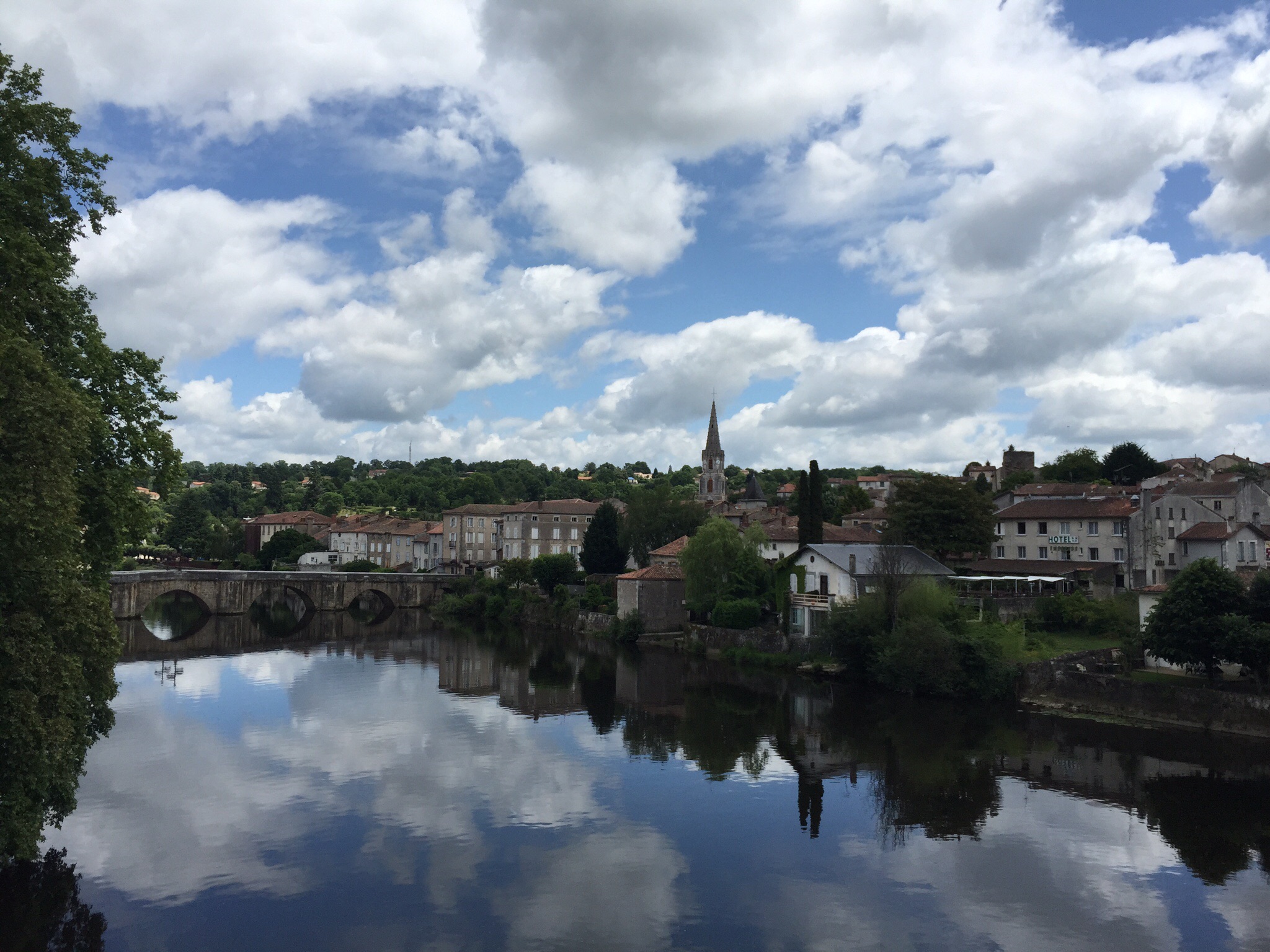
Picture Perfect Confolens

Picture Perfect Confolens

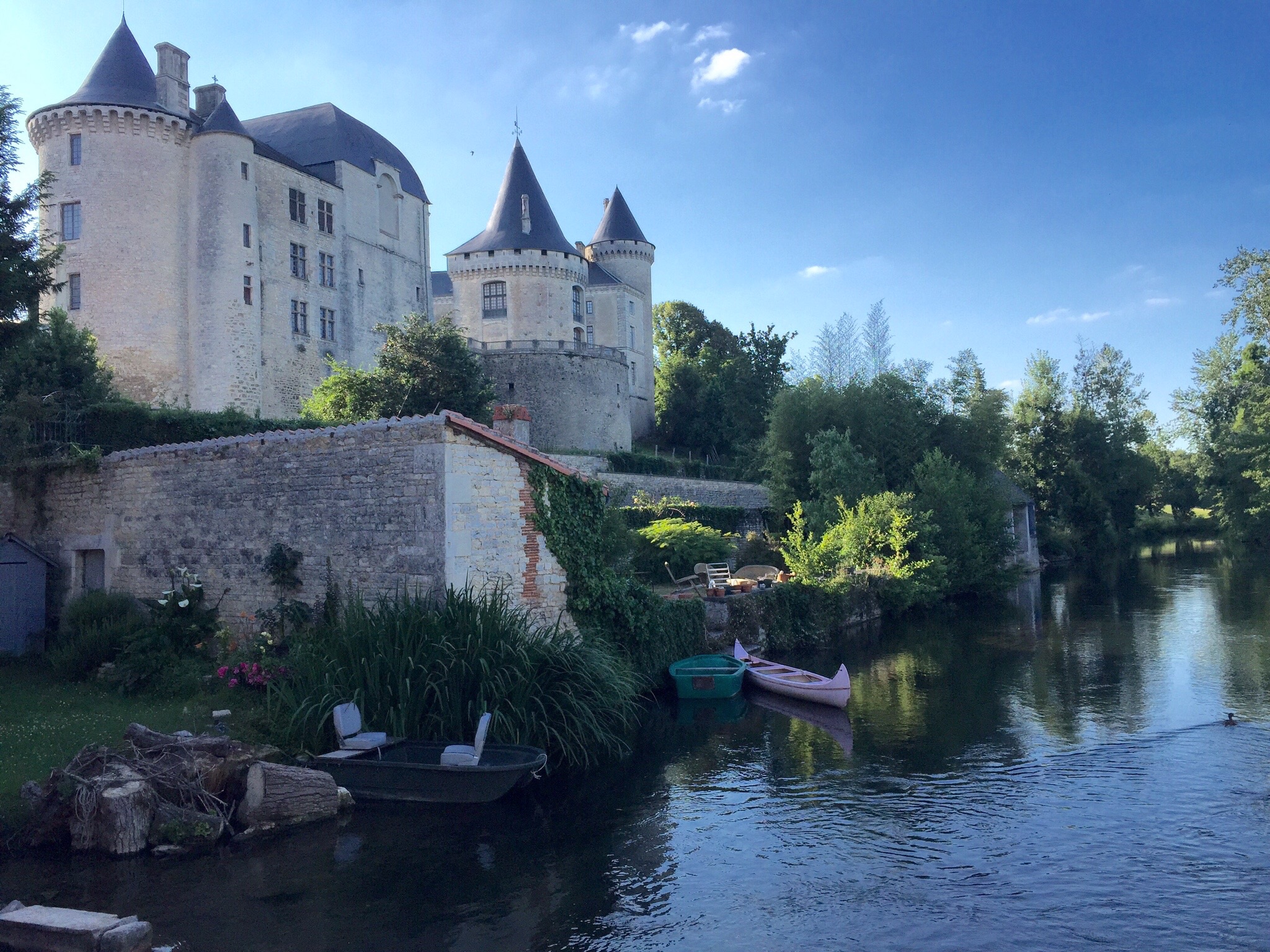
Fairy tale Chatêau in Nanteuil-sur-Charente

Fairy Tale Castle in Verteuil-sur-Charente

Beautiful Brantôme

Beautiful Brantôme

The Lush & Inviting Vézère

The Lush & Inviting Vézère River

A bientôt!

Post Navigation